Featured
Table of Contents
While we are familiar with the tax provisions of the concerns provided herein, as Financial Advisors of RJFS, we are not qualified to render advice on tax or legal matters. You should go over tax or legal matters with the appropriate expert. **TSP: The Thrift Savings Strategy (TSP) is a retirement savings and financial investment plan for Federal employees and members of the uniformed services, including the Ready Reserve.
The Federal Retirement Thrift Financial Investment Board (FRTIB) administers the TSP. Individual retirement accounts: Contributions to a traditional IRA may be tax-deductible depending on the taxpayer's income, tax-filing status, and other factors. Withdrawal of pre-tax contributions and/or incomes will be subject to ordinary income tax and, if taken prior to age 59 1/2, may be subject to a 10% federal tax penalty.
In addition, with a Roth individual retirement account, your permitted contribution might be reduced or removed if your annual earnings goes beyond specific limitations. Contributions to a Roth IRA are never ever tax deductible, but if specific conditions are fulfilled, distributions will be entirely income tax complimentary. Roth individual retirement account owners need to be 59 or older and have held the IRA for 5 years before tax-free withdrawals are allowed.
Furthermore, each transformed amount may undergo its own five-year holding period. Converting a traditional individual retirement account into a Roth IRA has tax ramifications. Investors need to speak with a tax advisor before deciding to do a conversion.
Start by evaluating your budget plan for the year. Compare real spending to your organized budget and see where you have overspent or underspent. This assists determine costs patterns and locations where you can cut down or reallocate funds for the next year. Analyze your bank and charge card statements for the past year.
Using Digital Tools for Better Financial Wellness
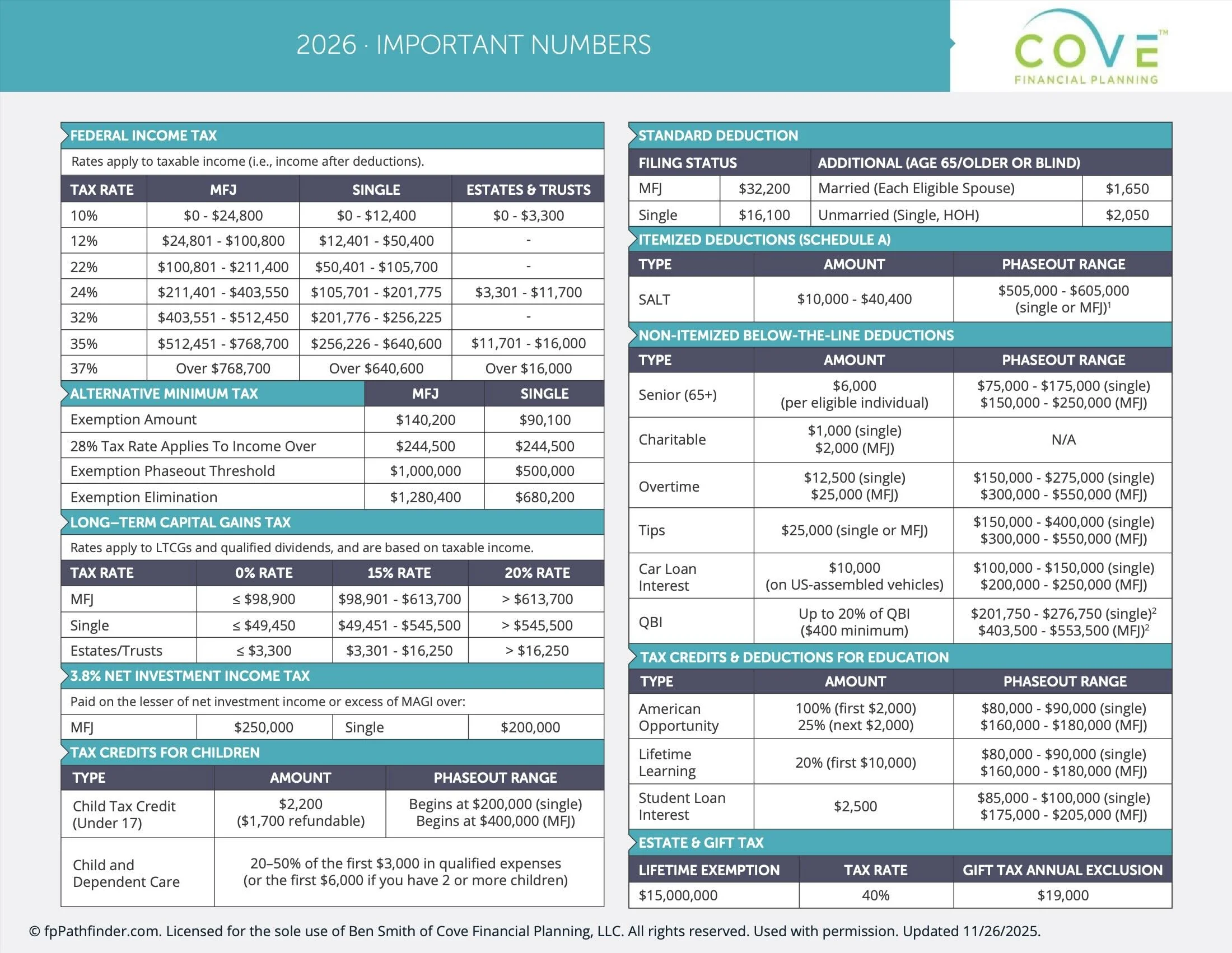
Adjust your budget plan classifications to show modifications in your lifestyle or monetary objectives. Make sure that you are taking full advantage of retirement savings opportunities. Contributing the optimum amount to your pension can supply significant tax advantages and assist secure your monetary future. 401(k) plans: $24,500, with an additional $8,000 catch-up contribution if you are 50 or older.
1Consult with a monetary professional to identify the finest retirement strategy. Year end is also a best time to review and rebalance your financial investment portfolio. Ensure that your asset allotment aligns with your threat tolerance and monetary objectives. Examine the efficiency of each investment. Rebalance your portfolio to maintain your wanted asset allowance.
Tax planning is a crucial part of year-end financial planning. Evaluation your tax scenario and take actions to lessen your tax liability.
Why to Manage Your Debt Better in 2026?
Seek advice from a tax expert to explore tax-saving opportunities and tax-efficient investment strategies. Frequently examining your credit report is important for preserving a healthy credit rating and identifying prospective errors or deceitful activity. Get a totally free copy of your report from each of the 3 significant credit bureaus (Equifax, Experian and TransUnion) and examine them thoroughly.
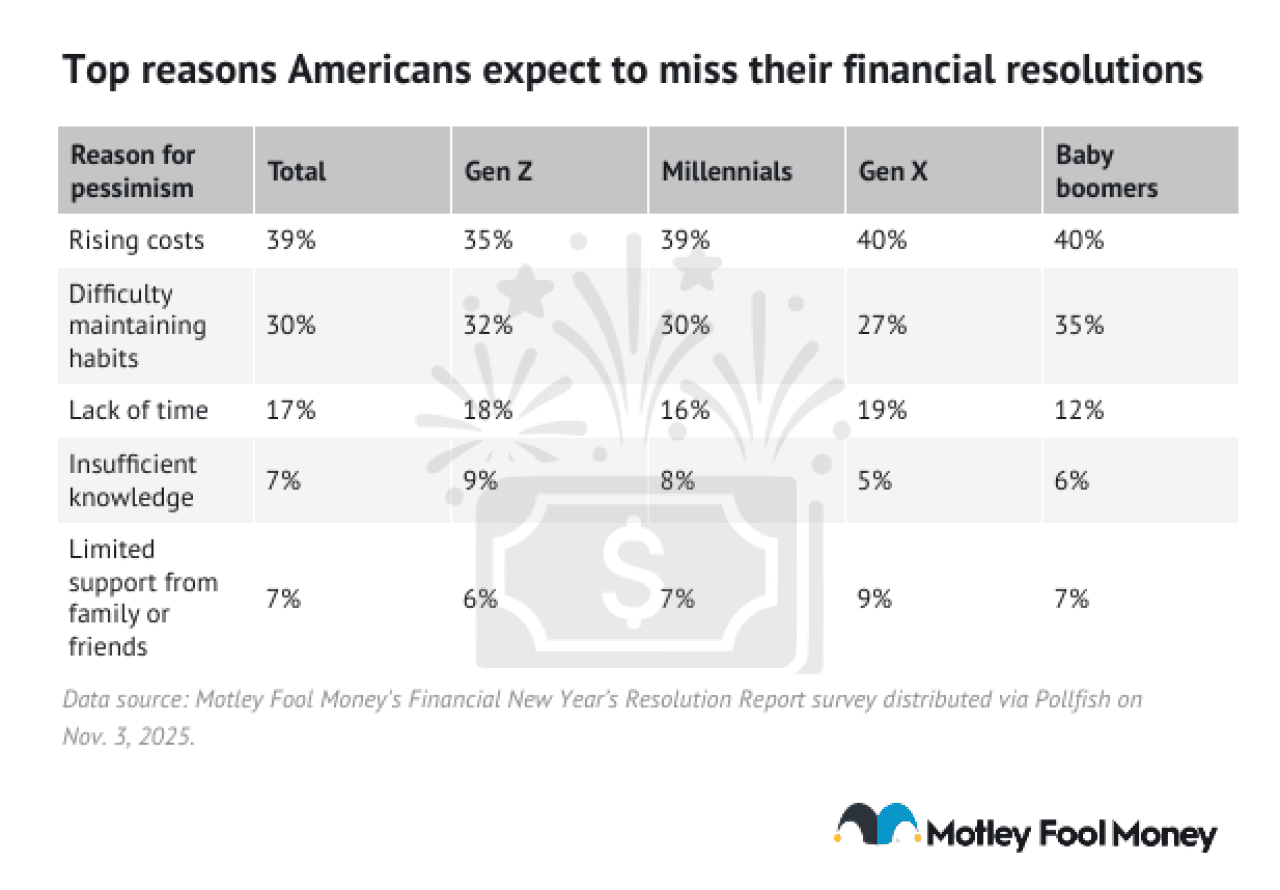
As you examine your financial resources, take time to update your financial goals. Reflect on your accomplishments over the previous year and set new objectives for the year ahead.
Evaluation and adjust your goals occasionally throughout the year. Update your protection as necessary to reflect any modifications in your individual or monetary scenario.
Gaining Stability via Proven Financial ProgramsEasy Techniques to Conserve Money in 2026
It's vital to periodically evaluate and update your beneficiary classifications on your financial accounts and insurance policies. Making sure your classifications are present helps avoid possible disputes or legal issues in the future.
Verify that your recipient classifications line up with your existing dreams and estate strategy. Update your classifications as required, remembering any modifications in your individual or monetary situations. If you have a Flexible Investing Account (FSA) or Health Cost Savings Account (HSA), remember to use your eligible dollars before they end.
Review eligible costs to optimize benefits. Set up any approaching medical professional sees, dental examinations, or medical treatments. Purchase qualified health service or products, such as prescription eyeglasses, contact lenses, or over the counter medications. Keep all receipts and documentation for tax purposes. An emergency fund is important for financial stability. Goal to have three to 6 months' worth of living expenses saved in a quickly accessible account.
Conserve any windfalls, such as tax refunds or bonuses. Start conserving for these expenditures now to assist avoid financial stress later on.
Why to Handle Your Finances Wisely in 2026?
Set up automatic contributions to these accounts. Think about seeking advice from with a financial expert who can assist you establish an extensive and comprehensive monetary strategy. Look for a Licensed Monetary Organizer or a fiduciary consultant.
By following this year-end financial list, you can work toward a flourishing and economically protect new year. Put in the time to evaluate and change your finances, and do not be reluctant to seek expert advice to guarantee you are on the ideal track.
A monetary strategy is a structure for directing earnings, costs, debt, and cost savings. A clear plan lowers uncertainty and supports decision-making throughout the year.
Gaining Stability via Proven Financial ProgramsChoosing the Ideal Card Option in 2026
Define Concerns Recognize the primary monetary objectives for the year. Typical concerns include emergency cost savings, debt decrease, retirement contributions, important purchases, and future planning needs.
Different repaired commitments from flexible spending. Designate a particular total up to savings and financial obligation payment. This decreases the impact of unpredictable spending patterns, which the Consumer Expense Study has actually documented throughout U.S. homes. Automated transfers increase consistency. Set recurring transfers for savings, retirement contributions, and needed sinking funds. Automation avoids hold-ups and reduces reliance on discretionary discipline.

Direct excess funds toward high-interest balances. Prevent new unsecured financial obligation unless important. Keep regular payment schedules to limit overall interest expense. Irregular expenses produce monetary instability when not prepared beforehand. Assign month-to-month contributions to a sinking fund for products such as insurance coverage premiums, property taxes, automobile maintenance, medical needs, and annual subscriptions.

Latest Posts

How to Boost Your Credit Score Fast

Simple Tips for Save More Money in 2026
Your Path to Better FICO Scores in 2026